SHRM25 Session Preview: Fixing Employee Engagement
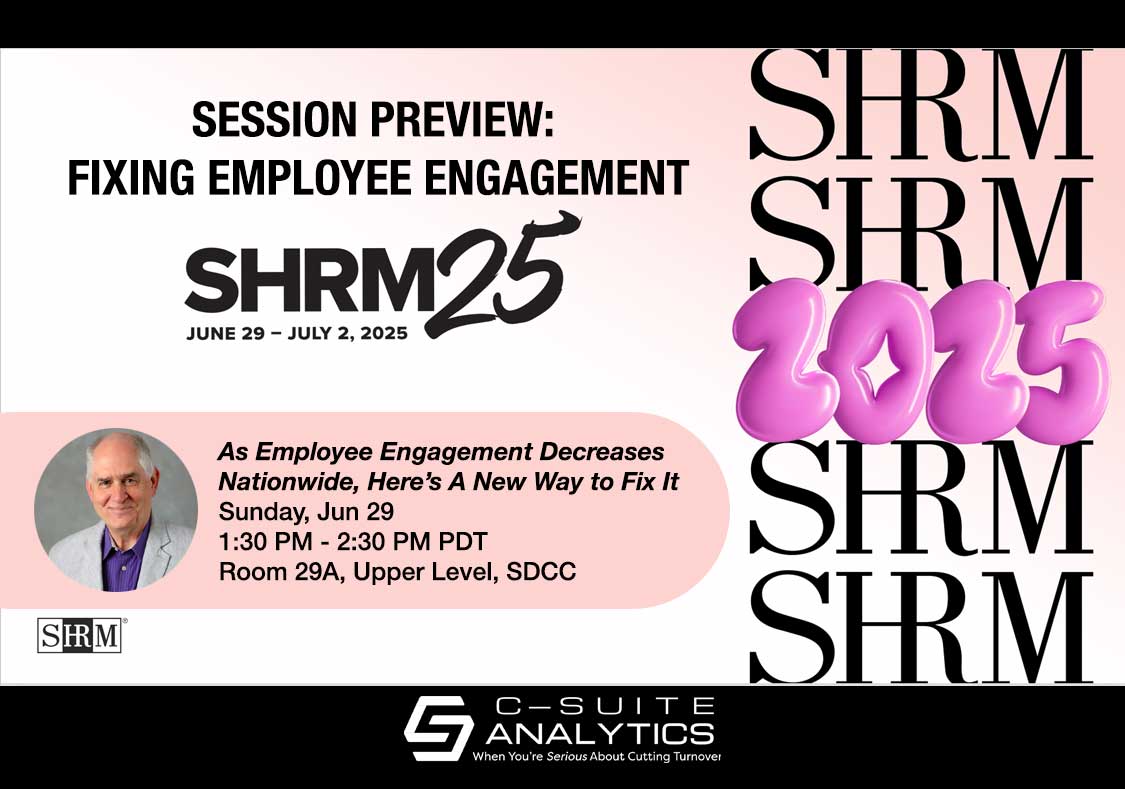
Employee engagement is in crisis. Gallup estimates global disengagement costs $8.8 trillion annually, and U.S. engagement levels haven’t improved in 25 years—in fact, they’re declining.

Employee engagement is in crisis. Gallup estimates global disengagement costs $8.8 trillion annually, and U.S. engagement levels haven’t improved in 25 years—in fact, they’re declining.

Most hiring tools answer whether candidates can and will do the job, but not if they’ll stay. Learn how realistic job previews and motivational-fit interviews can improve retention from day one.

Employee engagement hasn’t improved in 20 years—and Gallup says managers are the reason. Learn why corporate programs fail and what actually moves the needle.

Relying too heavily on survey vendor data can lead to misleading conclusions on your employee engagement numbers and benchmark comparisons. Instead, focus on tracking performance against your own historical metrics. It’s also essential to highlight the financial impact of turnover in clear terms—dollars, not just percentages—driving leadership toward real, actionable solutions.
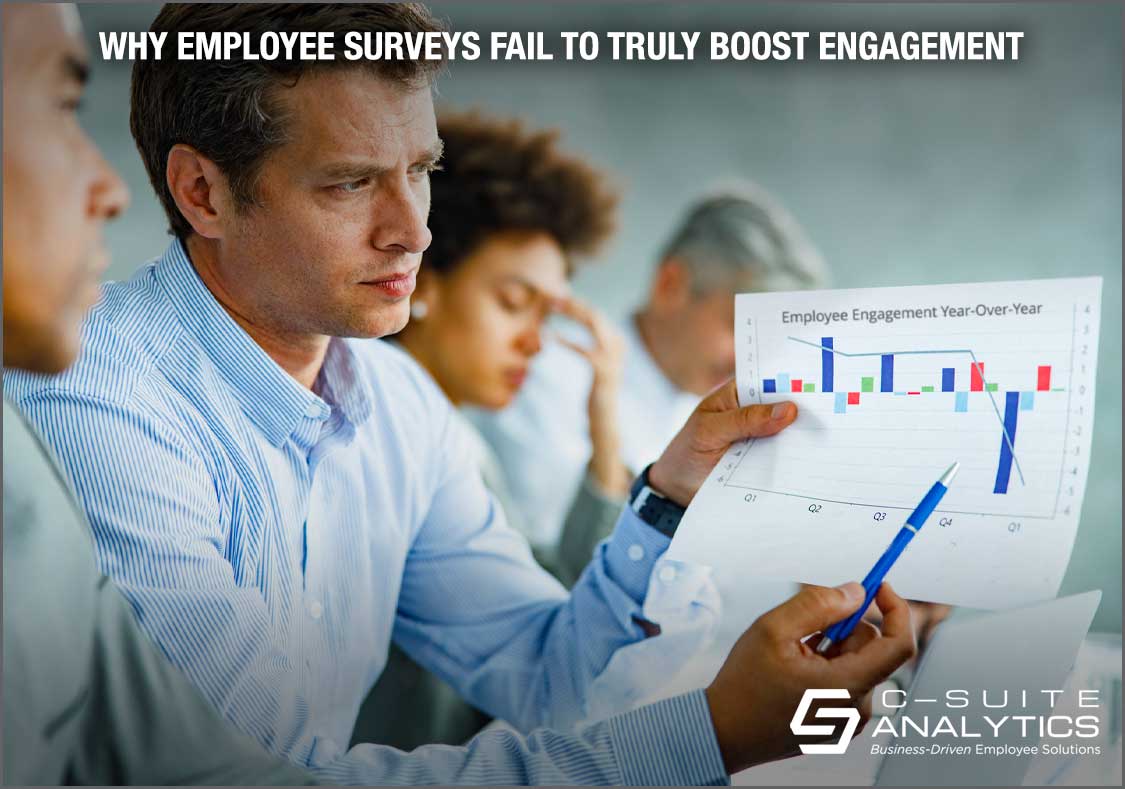
Employee engagement strategies often fail due to over-reliance on surveys which many employees distrust. The key to success is recognizing that engagement goes beyond a simple survey score and ensuring executives and managers view engagement and retention as critical metrics that influence overall operational performance, especially through strong leader-employee relationships.
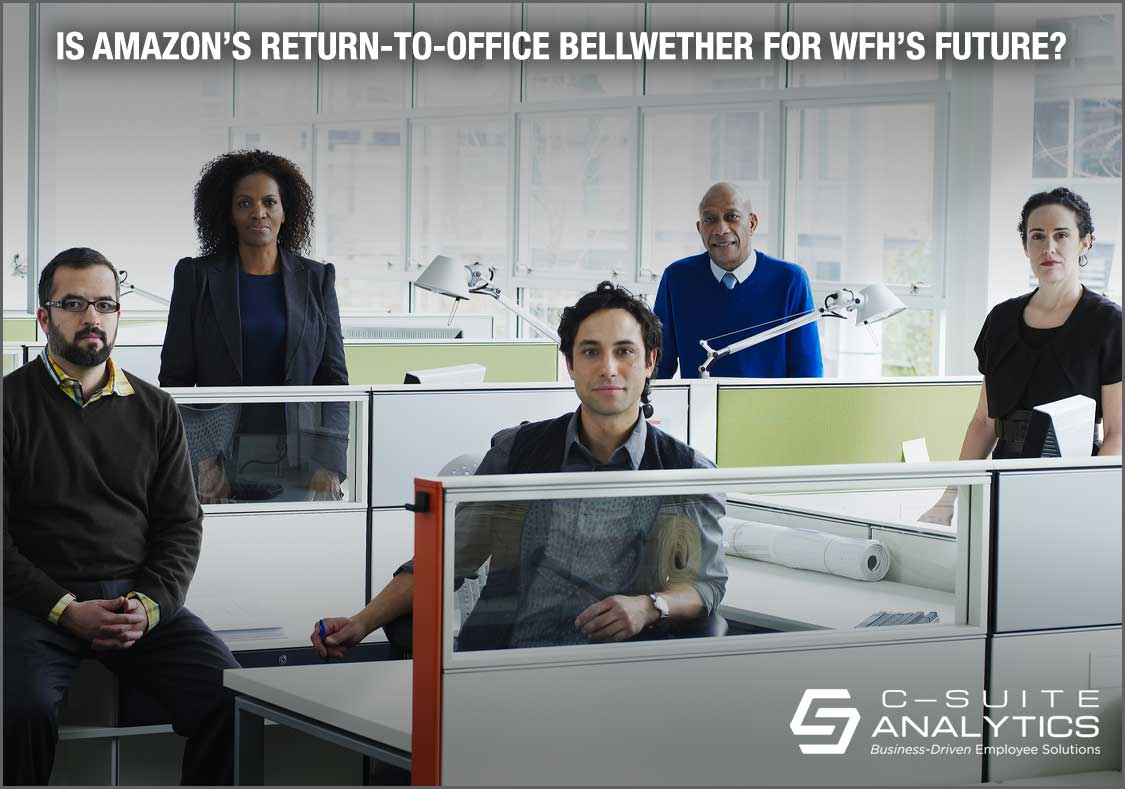
Monday, Amazon CEO Andy Jassy sent a memo to employees outlining several cultural and operational changes including mandating a full return to the office at the start of 2025. For many future years we will read reports and say, “The pandemic caused that” and at top of the list is the work-from-home (WFH) phenomena that today has led to an increased level of tension between employees who have embraced it and employers, like Amazon, who are over it.
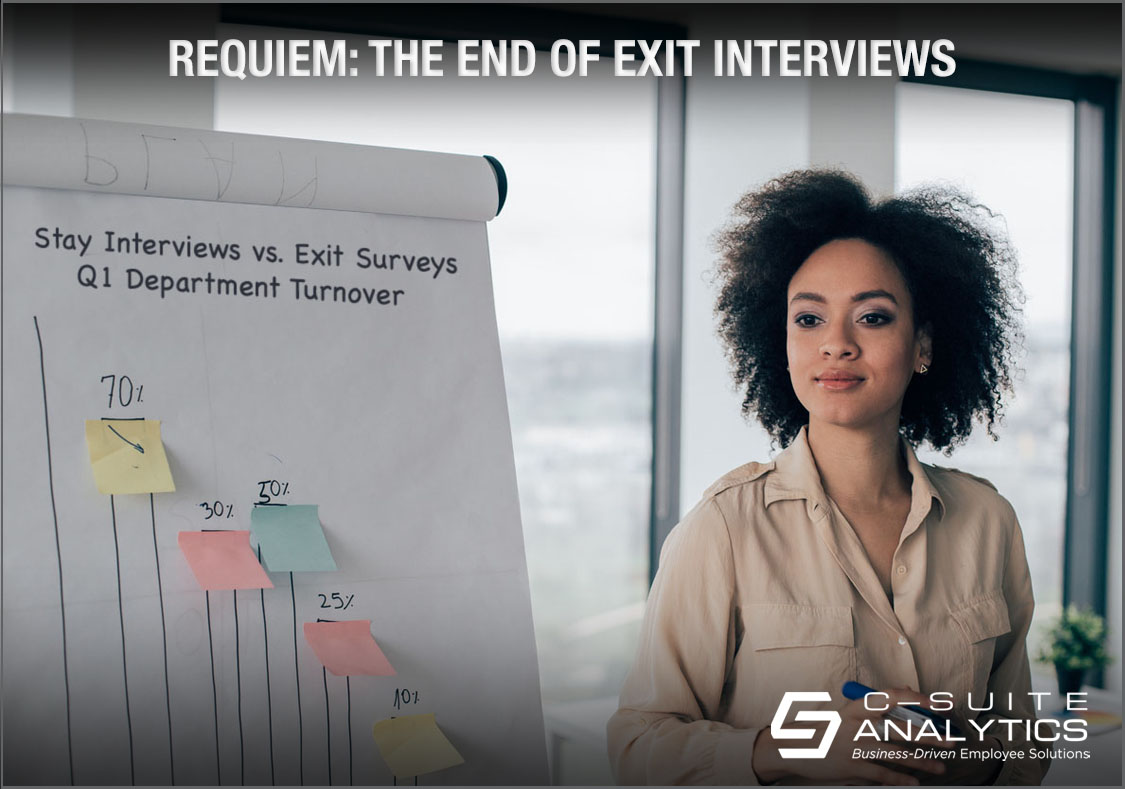
While exit surveys bring a concept that at first glance should be helpful to our overall retention quest, the combination of poor survey design, minimal truth-telling, and the absence of constructive follow-up all dilute their value. You should be asking “Why do you stay?” versus “Why are you leaving?” to get better employee retention data for your company.

Each week I present here the absolute best information and solutions to implement Stay Interviews and cut employee turnover. But today, I want to invite you to spend a few days in Florida learning it all such that you could return home to MAKE IT HAPPEN…to not only reduce turnover but also slash open jobs, make real employee engagement happen, and improve productivity across your company.

Gallup recently announced that early in 2024 employee engagement had reached an 11-year low. Gallup attributes this absence of engagement improvement to areas like lack of job clarity, a short supply of manager skills, and survey burnout among other reasons.

In the Harvard Business Review article, “Customer Surveys Are No Substitute for Actually Talking to Customers,” HBR now deems customer conversations as more effective for engagement than customer surveys. Shouldn’t this same principle be applied to employees as well?